A master’s degree for every teacher
Class and subject teachers complete a research-based master’s degree, with teaching practice in university training schools.
Our work
Trust, equity and learning that builds real understanding: what the world can learn from Finnish education.
Finland
Finnish education
Finland has become a reference point for education around the world. Not because of long school days or heavy testing, but because of how it trusts teachers, supports every child and lets learning happen through doing.
Video
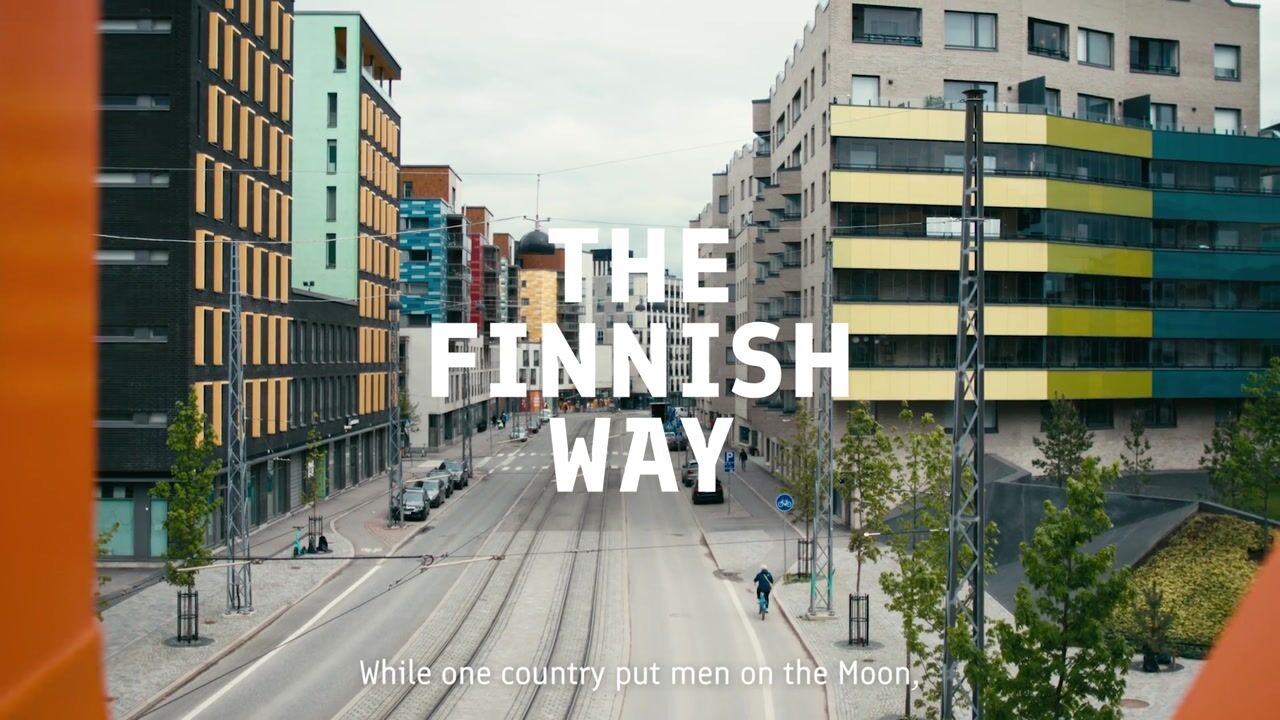
A short film about Finnish education and everyday life in Finnish schools.
 The Finnish Way
Teachers
Class and subject teachers complete a research-based master’s degree, with teaching practice in university training schools.
Teaching is one of the most valued professions in Finland. The same word is used for a school teacher and a university professor.
Teachers choose their own methods and materials within the national curriculum, and there are no school inspections.
Teacher education
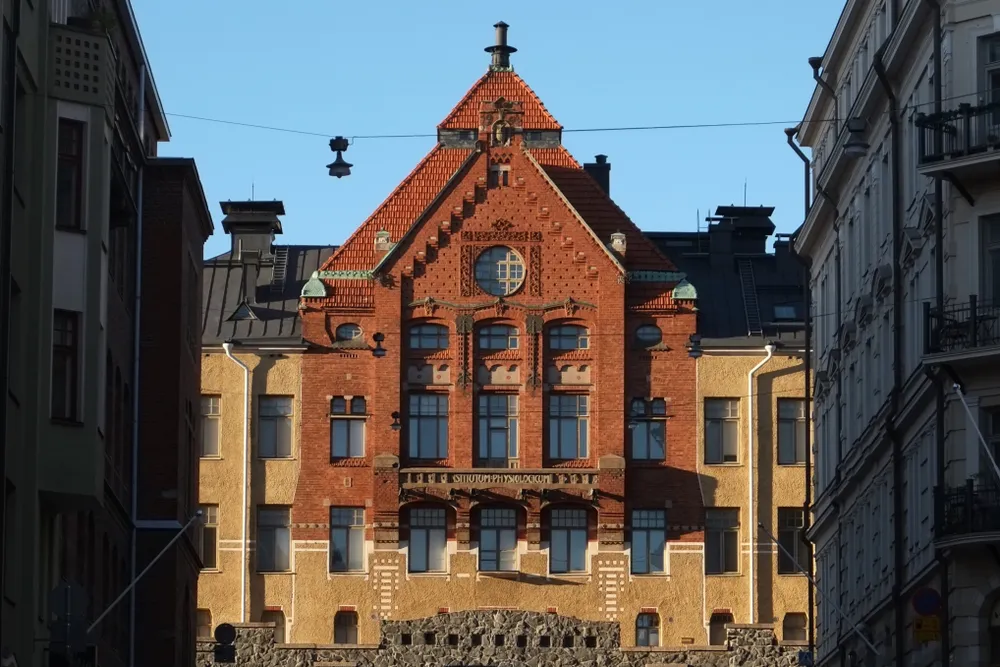
Finnish teachers are educated at universities. The University of Helsinki’s Faculty of Educational Sciences is one of the places where they train.
Equity
School is free, including books, materials and travel to school for those who need it. Higher education is free for Finnish and EU students.
Every pupil gets a free, healthy hot lunch. Finland has provided free school meals since 1948.
Special needs support, school nurses and counsellors are part of every school, so children get help early.
In the classroom
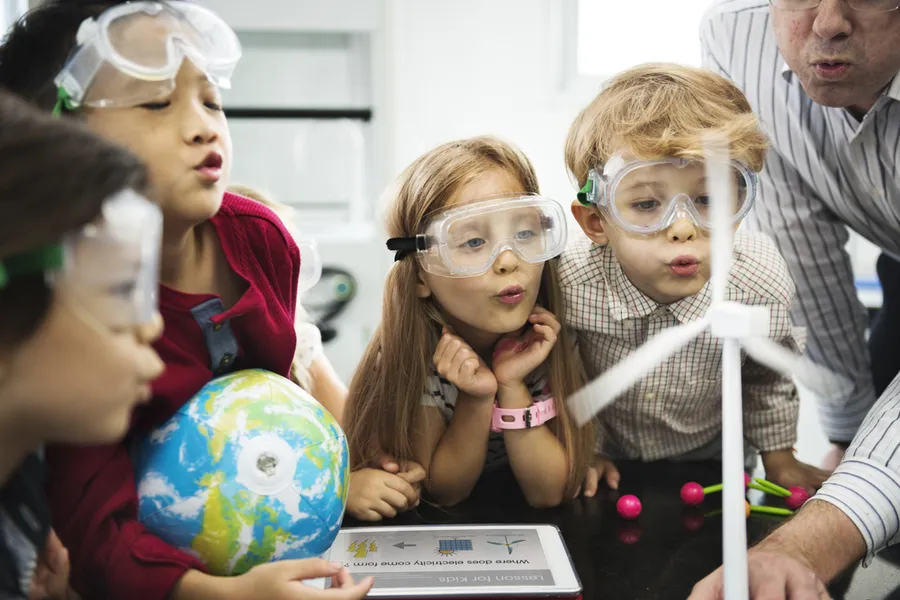
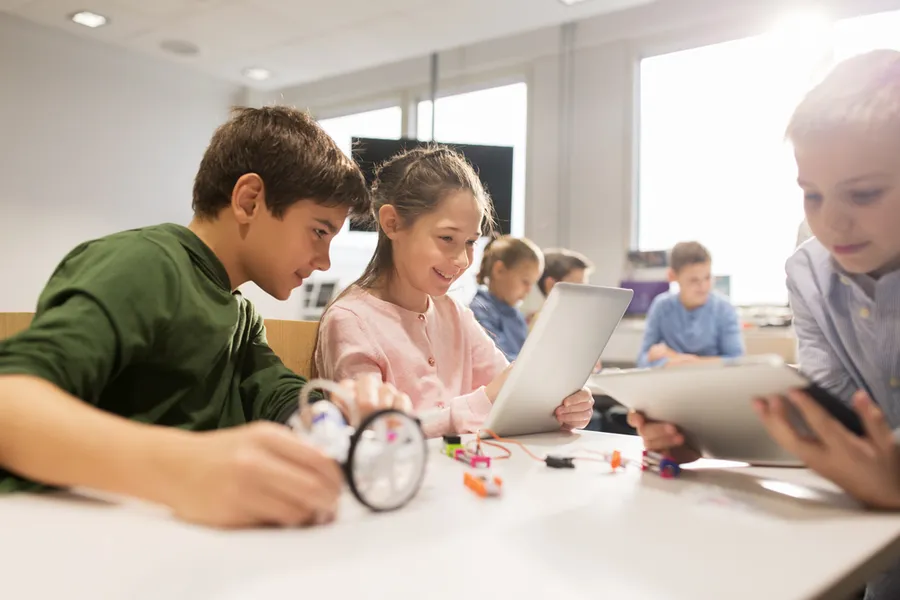
Finnish classrooms favour projects, play and real problems over memorising. Since 2016 the national curriculum includes phenomenon-based learning, where pupils study real-world topics across subjects.
Well-being
Children start compulsory school at seven, after a year of pre-primary education focused on play and learning.
Pupils usually have a break after each lesson, often outdoors, whatever the weather.
There are no national standardised tests during basic education. The first national exam is the matriculation examination at the end of upper secondary school.
Society
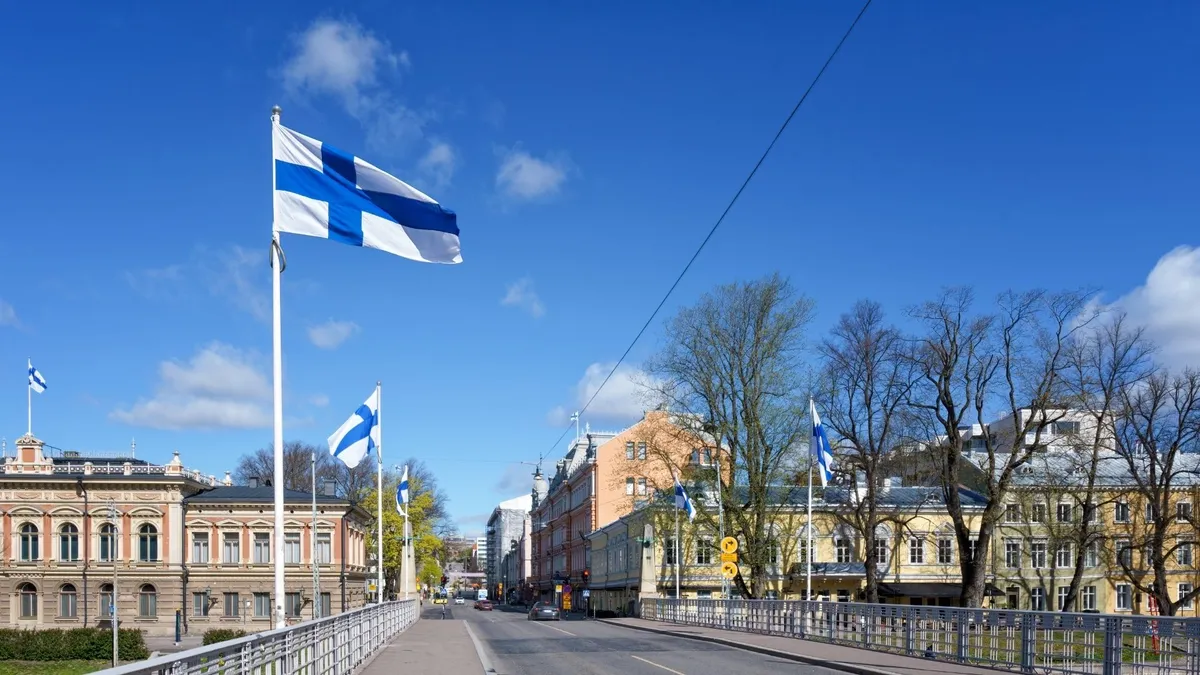
Learning extends beyond the classroom: nature, sustainability and a society built on trust are part of everyday life in Finland. Finland is a top-performing OECD country in reading literacy, mathematics and science.
Why it matters to us
We bring these ideas to schools and institutions elsewhere together with local educators, so they work in each place.
Our delegations and student groups experience Finnish schools and universities for themselves.
Universities, schools, authorities, funders and researchers: tell us what you would like to achieve.